
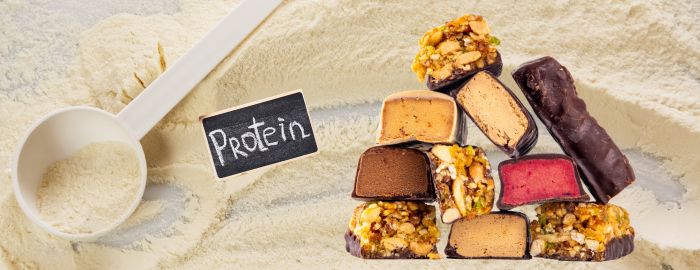
Protein bars are everywhere now — supermarkets, pharmacies, gyms, and even petrol stations.
They’re marketed as convenient, healthy, and packed with nutrition. But if you’ve ever stood in front of the snack aisle wondering…
“How much protein should a protein bar have?”
You’re definitely not alone.
Some bars contain only 5 grams of protein, while others go up to 25 grams or more. And here’s the confusing part — more protein doesn’t always mean better.
For busy adults, parents, and anyone trying to eat a little healthier, the goal isn’t to chase the highest number. It’s to choose a bar that actually supports your energy, hunger, and lifestyle.
Let’s break this down in a simple, practical way.
Quick Answer for Busy Readers
Most protein bars contain 10 to 20 grams of protein per serving.
The ideal amount depends on how you’re using it:
- Snack: at least 10–12 grams
- Light meal or breakfast: 15–20 grams
- Post-workout or meal replacement: 20–25 grams
There isn’t a one-size-fits-all answer. Your needs vary depending on age, activity level, and overall diet.
The most important thing to remember?
A protein bar is a support tool— not your main source of protein.
Why Protein Amounts Matter in a Protein Bar
Grabbing a protein bar feels like a quick solution when you’re hungry or busy. But not all bars deliver what they promise.
Some are essentially chocolate bars with a protein label.
Choosing the right protein bar protein content matters because protein helps:
- Keep you full longer
- Support muscle repair
- Stabilise energy levels
- Reduce cravings
- Prevent overeating later
If the protein is too low, you may feel hungry again quickly. On the other hand, if a bar is high in sugar but low in protein, you may get a temporary energy boost followed by a crash — which defeats the purpose of choosing a “healthy” snack in the first place.
The real goal is balance. A good protein bar isn’t just about the protein number printed on the wrapper. It should also contain some fibre and healthy fats to support steady energy, along with a reasonable calorie level that fits your needs. When these elements work together, the bar becomes more satisfying and nourishing rather than just another processed snack.

How Much Protein Should a Protein Bar Have?
If you’ve ever picked up a protein bar and wondered whether it actually has enough protein to keep you full, you’re not alone.
The answer depends on your lifestyle, activity level, and how you’re using the bar — whether as a snack, post-workout support, or an occasional meal replacement.
A good general guideline is:
- 10–20 grams per bar → suitable for most people
This range works well for busy adults, parents, and everyday healthy eaters who want a filling snack that supports energy and reduces hunger between meals. - 20–25 grams → useful for athletes or meal replacement
Higher protein bars can support muscle recovery after workouts or help when you genuinely need something more substantial to replace a missed meal. - 5–10 grams → suitable for children or light snacks
Children typically need less protein overall, so a smaller amount is usually enough to support satiety without overdoing calories.
Matching the protein amount to your purpose is far more important than chasing the highest number on the label. More protein isn’t automatically better — it simply needs to fit your needs.
Also remember, your daily protein intake should come primarily from whole foods like eggs, fish, poultry, beans, tofu, dairy, nuts, and seeds. Protein bars are best viewed as a convenient support tool, not your main protein source.
If you’re trying to eat more real, natural foods, you may find my article Why Eating Whole Foods Matters: Benefits and Easy Ways to Incorporate Them helpful.
Who Needs More (or Less) Protein in a Bar?
Not everyone needs the same amount of protein in a bar. The ideal protein bar protein content depends largely on your lifestyle, activity level, and how you’re using the bar — whether as a snack, meal support, or recovery fuel.
Here’s a simple way to think about it.
1. Athletes and gym-goers
If you exercise regularly or do strength training, higher-protein bars (around 18–25 grams) can help support muscle repair and recovery after workouts.
2. Busy adults
For people juggling work, family responsibilities, and long days, a bar with 12–20 grams of protein is usually enough to keep hunger under control and provide steady energy between meals. This is often the sweet spot for convenience without excess calories.
3. Weight management goals
Protein helps increase satiety, meaning you feel full longer. Choosing a slightly higher-protein bar may help reduce cravings and prevent unnecessary snacking later in the day.
4. Children and teenagers
Children generally need less protein overall. Bars providing around 5–10 grams are usually sufficient, especially when combined with other whole foods in their diet.
5. Older adults
As we age, maintaining muscle becomes more important for strength, mobility, and balance. A bar with roughly 10–15 grams of protein can be helpful as part of a balanced diet.
How to Read a Protein Bar Label (What Really Matters)
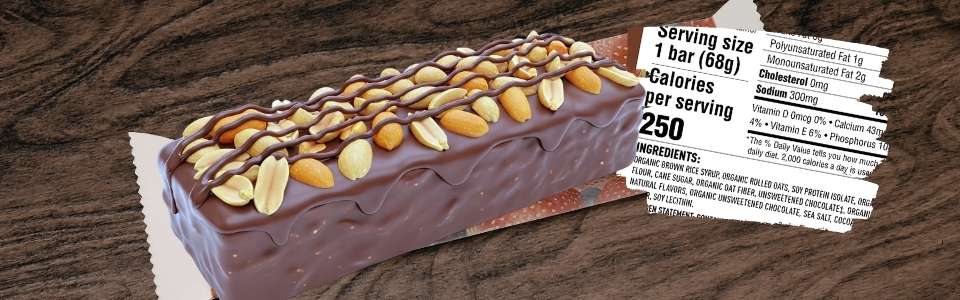
Protein grams are only one part of the story. When choosing a protein bar, what’s inside the bar matters just as much as how much protein it contains.
One important thing many people don’t realise is that protein bars can use different protein sources, — and some may suit your body better than others.
Common protein sources include:
- Whey protein — milk-based and easily absorbed
- Soy protein — plant-based and suitable for vegetarians
- Pea or brown rice protein — popular plant-based options
- Egg white protein — high quality and low fat
Some people digest certain proteins more comfortably than others, so it may take a little trial and error to find what works best for you.
Beyond protein source, there are a few other things worth checking.
Sugar content is a big one. Some bars contain 15–20 grams of sugar, which is surprisingly close to a dessert or chocolate bar. Choosing options with lower added sugar helps prevent energy crashes later.
Fibre is another helpful nutrient. Bars with fibre tend to keep you fuller for longer and support better blood sugar balance, which is especially useful for busy mornings or afternoon slumps.
You’ll also want to look at calories. Higher protein often comes with higher calories, so the right choice depends on whether you’re using the bar as a snack, meal support, or post-workout fuel.
Finally, check the ingredient list. Bars made with recognisable ingredients like nuts, seeds, oats, and dried fruits are usually a better choice than those filled with artificial additives and long chemical-sounding names.
A simple rule I often follow: if the ingredient list looks more like a science experiment than food, it may be worth choosing a different option.
What Happens If You Get Too Much (or Too Little) Protein?
Quality and balance matter more than sheer quantity when it comes to protein.
Too much protein can:
- Add extra calories you may not need
- Cause digestive discomfort
- Cost more over time
Too little protein can:
- Leave you feeling hungry sooner
- Make it harder to stay full
- Limit support for muscle repair and maintenance
Pair protein with fibre, healthy fats, and whole carbs to keep hunger in check and energy steady.
Protein Quality vs. Quantity: What Makes a Bar Good?
Talking about quality and balance, it’s important to remember that not all protein bars are created equal. A bar with 15 grams of protein from whole, natural ingredients can be more beneficial than one with 20 grams packed with processed fillers.
When choosing a protein bar, look for:
✔ Nuts and seeds for healthy fats and nutrients
✔ Whole grains, like oats, for fibre and sustained energy
✔ Minimal additives and artificial ingredients
✔ Moderate sweetness — enough to enjoy, but not overload on sugar
Focusing on quality as much as quantity ensures your bar not only supports your protein needs but also keeps you satisfied and nourished.
Quick Tips for Choosing a Protein Bar
If you’re standing in the store wondering which one to pick, keep it simple:
• Match protein to your purpose (snack vs meal replacement)
• Choose moderate sugar levels
• Look for recognisable ingredients
• Notice how your body feels after eating
That’s it. You don’t need perfection — just a bar that works for your lifestyle.
Best Times to Eat a Protein Bar
Protein bars are incredibly convenient, but timing can make them even more effective. They’re not magic — just a tool to support your energy and nutrition when you need it.
- Post-workout: After exercise, your muscles need protein to recover. A bar with around 20 grams of protein gives a helpful boost. Pair it with water or a piece of fruit for an extra energy kick.
- As a snack: Feeling hungry between meals? A bar with 10–12 grams of protein can keep you satisfied without piling on extra calories. It’s perfect for school runs, office breaks, or when errands stretch longer than expected.
- Meal replacement (on busy days): Sometimes mornings are hectic, or you’re travelling. A protein bar with 15–25 grams of protein, paired with a small piece of fruit or a handful of nuts, can tide you over until your next full meal.
Remember, protein bars shouldn’t replace whole meals every day. Whole foods give you vitamins, minerals, and healthy fats that bars alone can’t fully provide. Think of bars as backup support, ready to help you stay on track when life gets busy.

Bumping Up the Protein: Homemade Protein Bar Options
If store-bought bars don’t quite meet your protein needs — or you want more control over ingredients — making your own protein bars is a fantastic option. Not only can you adjust the protein content, but you also know exactly what’s inside.
A simple homemade bar can deliver anywhere from 12–20 grams of protein, depending on what you add. Common ingredients include:
- Protein powder – whey, soy, or pea protein
- Nut butters – almond, peanut, or cashew
- Oats – for fibre and slow-releasing energy (read about rolled oats vs quick oats here)
- Seeds – chia, flax, pumpkin, or sunflower
- Optional mix-ins – small amounts of dried fruit, cocoa nibs, or natural sweeteners like honey or maple syrup
By making your own, you can:
- Control sweetness and avoid added sugars
- Balance protein, fibre, and healthy fats for steady energy
- Portion your bars to suit your needs — perfect for busy mornings or snack time
Homemade bars are also flexible — swap ingredients depending on what you have on hand, and experiment to find flavours you actually enjoy. They’re convenient to stash in your bag, keep at your desk, or share with your kids for a wholesome snack.
Here’s a simple written recipe to get you started, and if you prefer video guidance, I found this easy homemade protein bar video tutorial easy to follow.
Simple recipes are often the best place to start.
Need to shop for protein bars?
If you’re looking for convenient options, here are a few popular protein bars with different protein levels and ingredient styles.
For US Readers
As an Amazon Associate, I earn a small commission from qualifying purchases — at no extra cost to you. Thank you for supporting my blog! Read about the Affiliate Disclosure here.
1. KIND Protein Bars
Typically 12g protein, made with nuts and relatively simple ingredients compared to many processed bars. Best for general snacking, busy mornings and moderate hunger control.
2. RXBAR Protein Bar
Known for minimal, recognisable ingredients like egg whites, nuts, and dates. Usually around 12g protein per bar. Best for people who prefer whole-food style ingredients, moderate protein snacks and cleaner labels.
3. Quest Nutrition Protein Bar
Typically around 20–21g protein per bar, making it suitable for post-exercise recovery or when you need something more filling. Lower sugar compared to many bars. Best for gym-goers, busy adults skipping meals and higher protein needs.
For Malaysian Readers
If you prefer fresh, homemade options with simple ingredients and no preservatives, you may also enjoy Oatz N More Granola Clusters— made in small batches using real, wholesome ingredients like oats, nuts, and seeds.
While granola is not a protein bar, it can still provide balanced energy with natural protein, fibre, and healthy fats, making it a practical snack or light breakfast option when you want something less processed.
Alternatively, you can explore protein bar options on Shopee, where there are many choices across different budgets and preferences.
In a Nutshell
So, how much protein should a protein bar have?
For most people, a bar with 10–20 grams of protein is a practical and effective range. Higher amounts may be helpful for athletes, meal replacements, or more demanding days, while lower amounts can still work well for light snacks or children.
The most important takeaway is this: protein bar protein content is only one part of the story. Quality ingredients, balanced nutrition, and how the bar fits into your daily routine matter just as much — if not more.
Protein bars can be incredibly helpful for busy mornings, long commutes, school days, or travel. But they work best as a convenient support tool, not a replacement for whole foods. Whenever possible, aim to get most of your nutrition from real foods like oats, nuts, seeds, eggs, dairy, legumes, fish, and lean meats.
If you choose wisely, a protein bar can absolutely be part of a healthy lifestyle — especially when life gets hectic.
At the end of the day, healthy eating doesn’t need to be complicated. Small, consistent choices often make the biggest difference.
Share your thoughts on protein bars and how much protein you look for in them in the comments below. What’s your go-to brand? Do you make your own, or do you have a favourite store-bought option you recommend to others?
If you found this helpful, please send it to someone else who might appreciate it. Just tap the SHARE button!
Other blog posts you might find worth reading:
- How to Strengthen Your Immune System Naturally
- Easy Ways to Reduce Sugar in Your Snacks for Weight Loss
- Is Chia Seed Water Safe. Benefits and Side Effects Explained
- Silent Signs of Inflammation You Shouldn’t Ignore and How to Reduce It Fast
Happy munching and thanks for being here.
Take care, enjoy your snack breaks.
Disclosure: This blog post contains affiliate links as part of the Amazon.com Services LLC Associate Programs and other affiliate services. This means that oatznmore.com receives a small commission by linking to amazon.com and other sites at no extra cost to the readers.
Medical Disclaimer: I am not a doctor or medical professional, and this post should not be taken as medical advice. Please do your own research. The material on this blog is provided for informational purposes only. It is general information that may not apply to you as an individual and is not a substitute for your own doctor’s medical care or advice.