

Fruit snacks — they sound innocent enough, right? After all, the word fruit is in the name. But are these sweet little bites really a smart choice for your snack drawer or your child’s lunchbox? Like many “health-sounding” foods, there’s more to fruit snacks than meets the eye. In this post, we’ll take a closer look at what fruit snacks are, what goes into them, how they compare to real fruit, and whether they deserve a spot in your pantry.
What Are Fruit Snacks?
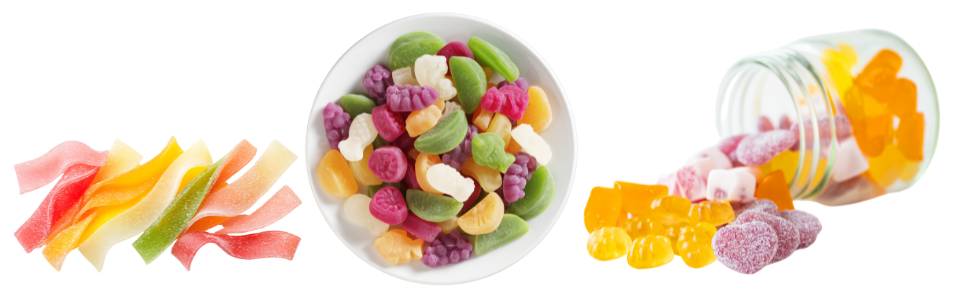
At a glance, fruit snacks look like colourful, chewy, bite-sized treats that seem to bridge the gap between candy and health food. They’re often marketed as made with “real fruit” or “natural flavours,” and come in small pouches that are easy to throw into a lunchbox or handbag.
The main thing to remember is fruit snacks aren’t small slices of fresh fruit packed and ready to go. Most are chewy, brightly colored, and deliciously sweet, crafted to tempt both kids and grown-ups. While there’s some variety, most store-bought fruit snacks include a mix of sugar, fruit juice concentrates, and a gelling agent like gelatin or pectin. It’s rare, but sometimes you’ll stumble upon snacks that add dried fruit.
Peek at the back of any popular fruit snack box, and you’re likely to see ingredients like corn syrup, sugar, and fruit juice concentrate among the first listed. These snacks do have a dash of actual fruit juice, but don’t let that fool you into thinking it’s basically the same as eating the real thing. Their smooth, chewy bite and next-level cool shades come from added flavours, colourings, and thickeners. These details make them more candy-like than you might hope.
Many fruit snacks aren’t dried fruit or real fruit slices at all. Instead, they’re processed products that fall somewhere between candy and a fruit-flavoured chew. If you’ve ever had gummy bears, fruit snacks are often not too far off in terms of texture and ingredients.
Ingredients: What’s Really Inside?
Checking ingredient lists, you’ll spot that sugar or corn syrup leads the way for most fruit snacks. Sometimes you’ll spot fruit puree or juice concentrate, but often way down the line. Here’s what usually makes up a bag of fruit snacks:
- Sugars – typically cane sugar, corn syrup, or both (often one of the first ingredients listed).
- Fruit juice concentrate or puree – for flavour and colouring, but often in smaller amounts than you’d expect.
- Gelatin or pectin – (used as thickening agents) responsible for the signature chewy, jelly-like texture.
- Colourings and flavourings – these might be naturally derived or artificial.
- Added vitamins – like vitamin C, sometimes thrown in to boost sales appeal.
Boxes that claim “made with real fruit” don’t guarantee the product is anywhere close to a serving of fruit. It’s often from fruit puree or juice concentrate — which isn’t the same as eating a piece of whole fruit. These concentrates are stripped of the fibre and many nutrients found in fresh or dried fruit, leaving behind mostly sugar. Tossing back in vitamins at the end doesn’t really fill the gaps left by processing. Stay sharp when checking for added dyes; while some companies use juice-based colouring, others go with artificial versions.
Read more about natural flavouring here.
Nutrition Facts: Are Fruit Snacks Like Candy?
From a nutrition point of view — yes, many fruit snacks are not that different from sweets.
Let’s compare:
- A packet of fruit snacks may contain 10–15 grams of sugar — almost as much as a fun-size chocolate bar.
- The fibre content is usually close to zero (unlike real fruit).
- They may be low in fat, but that doesn’t make them healthy.
- Calories can add up quickly, especially if you treat them like guilt-free snacks.
What’s more worrying? They’re often packed into school lunches or handed out as a healthier alternative but the truth is, they offer very little nutritional benefit.
Heads up: This post includes a few affiliate links. If you buy something through them, I may earn a small commission (at no extra cost to you). I only share stuff I genuinely like or think you’ll find useful.
Comparing Fruit Snacks to Real Fruit
Let’s say you’re trying to get more fruit into your diet. Should fruit snacks count? The answer is no — and here’s why.
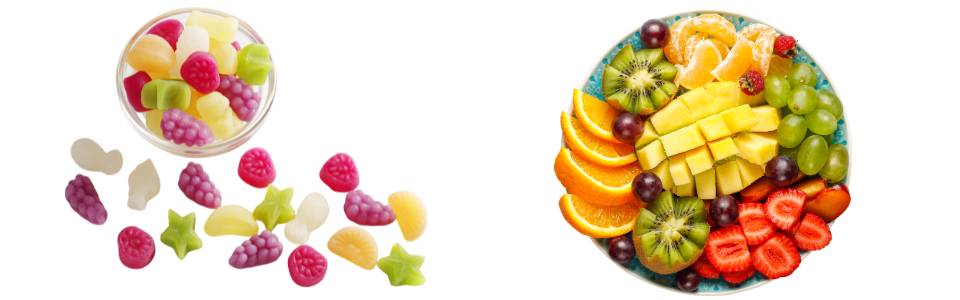
Whole fruits like apples, oranges, or berries contain a mix of vitamins, minerals, antioxidants, and fibre. The fibre is key because it helps slow down the absorption of sugar in the body, making you feel fuller for longer and preventing blood sugar spikes.
Fruit snacks, on the other hand, usually have the sugar without the fibre. They’re more like a quick sugar hit — and that’s exactly how your body treats them.
Even dried fruits like raisins, dried cranberries or dates (in moderation) are better choices because they still contain fibre and nutrients, even though they’re more concentrated in sugar.
The Role of Sugar in Fruit Snacks
Sugar isn’t just added for taste — it’s also a preservative and texturiser.
Besides, and here’s the hard truth: fruit snacks are sweet because they’re made to taste like sweets. Most of the sugar comes from juice concentrates, added sugars, or even corn syrup. These are refined forms of sugar that quickly raise blood sugar levels.
Eating too many sugary snacks, even ones with “fruit” on the label can:
- Lead to energy crashes later
- Contribute to weight gain over time
- Increase risk of dental cavities
- Train your taste buds to expect sweet flavours all the time
Even if a fruit snack doesn’t taste too sweet, don’t be fooled. Sugar can be listed under different names like dextrose, glucose syrup, or maltodextrin. And don’t forget juice concentrates — they’re just another form of added sugar, minus the fibre.
What About Additives, Colours, and Flavourings?
Many fruit snacks rely on artificial or natural flavourings to give that “berry blast” or “tropical mango” punch. Food colourings (whether synthetic or derived from plants) are added to make them look more appealing, especially to children.
Some parents are concerned about the long-term effects of artificial colours and additives, particularly in young kids. While most are considered safe in small amounts, they add no nutritional value and some children may be sensitive to them.
In contrast, whole fruits don’t need any of these enhancements. Their colour, flavour, and texture come naturally and that’s part of what makes them nourishing.
Do Fruit Snacks Offer Any Health Benefits?
There are a few exceptions in the market. Some brands now offer fruit snacks made from 100% fruit — using puréed fruit that’s air-dried or baked into strips or bites. These can be better options, especially if they retain the fibre and avoid added sugar.
Still, these should be seen as occasional treats rather than daily go-tos. Even fruit-based snacks are often high in natural sugars, and portion sizes can be deceivingly small for the calories and sugar they pack in.
So while you might get a little vitamin C or iron, the overall benefit is limited unless you’re choosing a truly fruit-only product with no added sugars or fillers.
Fruit Snacks vs. Other Snack Choices
If convenience is your top goal, there are definitely better choices out there. Here’s how fruit snacks stack up against some easy alternatives:
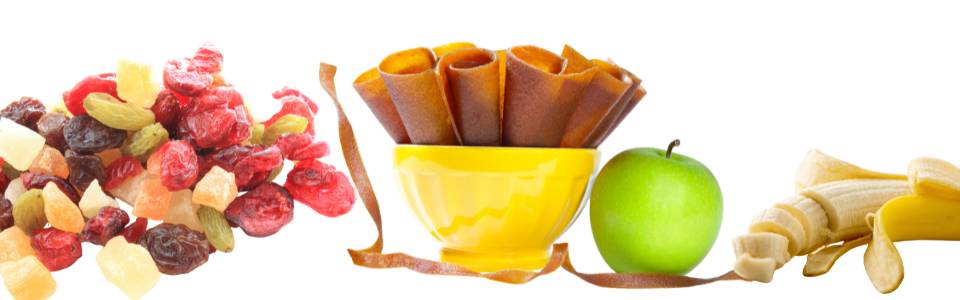
- Dried fruit: Raisins, dried apricots, or dried mango come closer to the real deal. They run high in sugar (sometimes with more added), but at least they keep more fiber and nutrients intact compared to fruit snacks.
- Fruit leather: Usually just dried, pureed fruit — sometimes with added sugar, but many brands keep it simple. Labels are your friend; give them a once-over for the best choice.
- Whole fruit: Apples, bananas, or berries need no introduction. Jam-packed with natural sweetness, loaded with fibre, and totally portable, fresh fruit is the ultimate go-to snack.
How to Read Fruit Snack Labels
Fruit snack labels can be confusing. Here’s a quick guide for what to check before tossing them into your cart:
- Ingredients: The first ingredient is the main player. If it’s fruit, you’re on the right track. If it’s sugar or syrup, it’s basically candy.
- Sugar content: Look for low sugar, especially added sugar.
- Fibre: Higher fibre means it’s closer to real food. Zero or low fibre signals lots of processing.
- Added vitamins: Nice enough, but don’t depend on these for nutrition.
- Colourings and preservatives: Pick brands that use natural colours if possible and keep added preservatives minimal.
Take note: If you notice sugar, corn syrup, or juice concentrate in the top spots, you’re mostly getting candy shaped like fruit. Brands with real fruit as the first ingredient and lower sugar are worth tracking down if you want a better snack.
Common Questions About Fruit Snacks
- Are fruit snacks good for kids? They’re fun and convenient, but not a health food. Serve them as a treat — a once-in-a-while snack is fine. When you can, offer fresh fruit to help build better habits and protect teeth.
- Do fruit snacks have any nutrients? Some have added vitamins like vitamin C, but most lose out on the natural nutrients during creation. While the fortification helps, getting your nutrition from real food is still best.
- Can fruit snacks be part of a balanced diet? Sure — they can fit as an occasional sweet in an otherwise well-rounded diet. If you (or your kids) love them, try to choose versions where fruit is first on the list and skip any with lots of added sugar.
So, Are Fruit Snacks Healthy?
Most fruit snacks available today don’t offer much in the way of nutrition. They look and taste awesome, but they’re mainly loaded with sugar and lack the good stuff like fibre. If the urge hits for something fruity, stick with an orange or some berries — you’ll feel fuller and actually benefit from the real thing.
Of course, that doesn’t mean you have to skip fruit snacks forever. Enjoy them every now and then, but see them as a special treat. For something easy and portable, dried fruit or pure fruit leathers are a step up.
🍎 Affiliate Picks for Smarter Snacking
🇺🇸 For US Readers: Try These Better Snack Alternatives on Amazon
As an Amazon Associate, I earn from qualifying purchases. This comes at no extra cost to you.
Here are some better snack alternatives available on Amazon. These options skip the added sugar, artificial flavourings, and fillers — and focus on real fruit ingredients instead.
✅ That’s It. Fruit Bars
Simple and straight to the point — each bar contains only two ingredients: real fruit and nothing else. No sugar added, no preservatives, just clean snacking on the go.
✅ Black Forest Stretch Island Fruit Leather
These thin, chewy strips are made with 100% real fruit purée. Great for lunchboxes or when you’re craving something sweet without the junk.
✅ Bare Baked Crunchy Apple Chips
Crispy, naturally sweet apple slices that are baked, not fried. No oil, no added sugar — just one ingredient: apples.
✅ Made in Nature Organic Dried Mangoes
Deliciously chewy dried mango with no added sugar, sulphites, or artificial anything. A great alternative to candy-like fruit snacks.
🇲🇾 For Our Malaysian Readers
If you’re shopping in Malaysia, look for similar options on:
- Shopee – Dried Fruit Snacks
- Lazada – Search for:
- “Dried Fruits”
- “Freeze Dried Fruits”
And if you prefer something homemade and lightly sweetened, try our Oatz N More Granola Clusters and Muesli Mixes — made fresh, in small batches, with no preservatives or fillers.
Love Talking Snacks? Over to You!
Have you ever checked the label on your fruit snacks? Were you surprised? Share your thoughts or experiences in the comments.
If you found this post helpful, don’t forget to pass it on to someone who might be tossing fruit snacks into their trolley without a second thought! Hit that SHARE button and spread the word!
Happy snacking, and here’s to picking snacks you feel good about every day!
Check out more on healthy snacking:
- How Healthy is Granola Bar
- How Healthy is Yoghurt
- Are Cashews Healthy For You
- Healthy Snacking Habits for Kids
Disclosure: This blog post may contain affiliate links as part of the Amazon.com Services LLC Associate Programs and other affiliate services. This means that oatznmore.com receives a small commission by linking to amazon.com and other sites at no extra cost to the readers.
This was such an eye-opening read! I always assumed fruit snacks were a better alternative to candy just because of the word “fruit” on the label — but now I realize how misleading that can be. It’s surprising how much sugar and how little actual fruit content is in most of them. I’ll definitely be reading ingredient lists more carefully from now on. Have you come across any specific brands that truly use 100% fruit with no added sugars or artificial stuff? I’d love a recommendation!
Hi Hanna,
Thank you so much for your kind comment! I’m really glad the post resonated with you. It’s true, that word “fruit” can be so misleading, especially when the packaging looks wholesome.
As for truly 100% fruit options with no added sugars or artificial ingredients, there are a few worth looking into. Look for brands that use terms like “fruit leather” or “unsweetened dried fruit bars”. These often have cleaner labels. One example is That’s It. (US-based) — their fruit bars are literally just fruit, no extras.
Feel free to share if you come across any favourites too
This was such an eye-opening and well-written post! I used to grab fruit snacks for my kid, thinking they were a better option than candy; after all, the word “fruit” is right there on the label! But like you pointed out, once I really took a look at the ingredients, I realized they were basically candy in disguise.
Now I try to stick with whole fruits or even some dried fruit when I need something quick and portable. I also appreciate the tip on reading labels; so helpful! It’s easy to get swayed by the “made with real fruit” claims, but that doesn’t mean it’s truly nutritious.
Thanks for shedding light on this! I think more parents (and snackers in general!) need to hear the truth about what’s really in those chewy little packets.
Hi Alexa,
I’m so glad you found the post helpful. You’re absolutely right! That “fruit” on the label can be so convincing, and it’s only when we flip the package over that the truth comes out. Switching to whole fruits or even quality dried fruits is such a smart move, still sweet and convenient, but without all the hidden sugars and additives.
I love that you’re reading labels more closely now; it really does make all the difference in making better choices for ourselves and our families. Thank you for sharing your experience. I agree, more parents and snack lovers need to know what’s really behind those bright, friendly packages!