
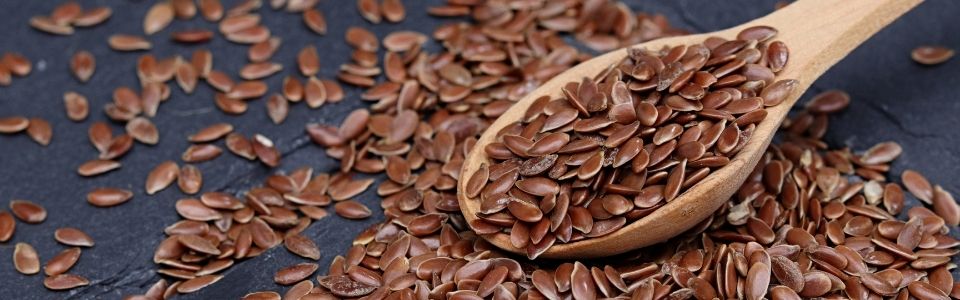
If you’ve ever picked up a bag of flax seeds and wondered whether it’s better to eat them whole or ground, you’re definitely not alone. I got curious about this myself a while back, so I decided to dig into the details. It turns out the way you enjoy flax seeds really does matter if you want to get the most benefits out of these tiny powerhouses.
In this post, I’ll break it down simply, from flax seeds health benefits to whether you should eat them whole or ground, and the easiest ways to include them without overcomplicating your routine.
Why Are Flax Seeds So Popular?
Flax seeds have been getting a lot of attention for quite some time, not just because they’re labelled a “superfood”. What makes them stand out is how easy they are to add into everyday meals, while quietly providing a good mix of fibre, healthy fats, and plant-based nutrients. You don’t need to change your diet drastically — just a small sprinkle here and there can already make a difference over time.
Flax Seeds Nutrition Facts (per 28g Serving)
Flax seeds may be tiny, but they’re surprisingly nutrient-dense:
Total Fat: 12g (15% DV*) including ~6.5g Omega-3 (ALA)
Total Carbohydrate: 8g (3% DV) mainly dietary fibre (7g – 25% DV)
Protein: 5g (10% DV)
*The Daily Value (DV) percentage tells you how much a nutrient contributes to your daily diet in a serving.
Key Minerals:
- Magnesium – ~27% DV
- Phosphorus – ~20% DV
- Copper – ~25% DV
- Selenium – ~15% DV
Key Vitamins:
- Vitamin B1 (Thiamine) – ~30% DV
- Vitamin B6 – ~10% DV
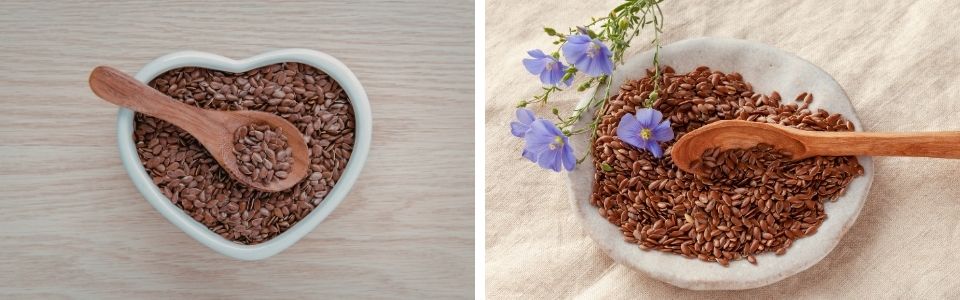
Flax Seeds Health Benefits
Flax seeds are often praised for their overall health benefits, but what makes them truly stand out is how they support everyday concerns — especially digestion and cholesterol. And the good news is, you don’t need a large amount to start seeing the difference.
1. Supports Digestive Health
If you’ve ever struggled with irregular bowel movements or sluggish digestion, flax seeds can be surprisingly helpful.
One of the main reasons is their high fibre content — especially soluble fibre. When mixed with liquid, this type of fibre forms a gel-like texture in your digestive system. This helps to:
- Soften stools
- Support smoother bowel movements
- Keep things moving more regularly
At the same time, flax seeds also contain insoluble fibre, which adds bulk and helps prevent constipation.
Research has shown that flax seeds may help improve bowel regularity and support gut health when consumed consistently. Many people notice that even adding a small amount daily can make digestion feel more comfortable over time. (1)
The key is to start small and drink enough water — since fibre works best when it has enough fluid to move through your system.
If you’d like to understand more about why fibre matters, you can read my post on the importance of fibre in your diet.
2. Helps Manage Cholesterol Levels
Another well-known benefit of flax seeds is their ability to support healthier cholesterol levels.
Flax seeds are rich in soluble fibre, which can bind to cholesterol in the digestive system and help remove it from the body. This may contribute to lowering LDL (often referred to as “bad” cholesterol).
They also contain plant compounds called lignans, which have been studied for their potential role in supporting heart health.
Several studies have suggested that regular consumption of flax seeds may help reduce total cholesterol and LDL cholesterol levels, especially when combined with an overall balanced diet. (2)
While flax seeds are not a “quick fix”, they can be a simple, natural addition to your daily routine if you’re looking to support your cholesterol over time.
3. Supports Heart Health
Beyond cholesterol, flax seeds contain omega-3 fatty acids (ALA), which are known to support overall heart health. These healthy fats play a role in maintaining normal heart function and reducing inflammation in the body. (3)
4. May Help with Weight Management
Because flax seeds are high in fibre, they can help you feel fuller for longer. This may reduce unnecessary snacking and support more balanced eating habits throughout the day.
5. Adds a Simple Nutrient Boost to Everyday Meals
One of the biggest advantages of flax seeds is how easy they are to include in your diet. Whether added to oats, yoghurt, or even simple meals like rice, they provide an extra boost of nutrients without changing the way you eat.
If you’re comparing options, you might also find it helpful to read my post on chia seeds vs flax seeds benefits.
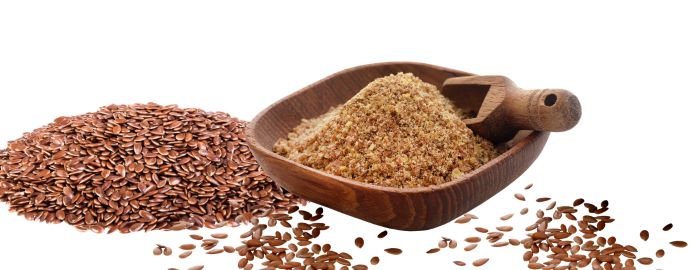
Whole vs Ground Flax Seeds
Once you start adding flax seeds into your meals, this question usually comes up quite quickly — should you eat them whole or ground?
At first glance, it might not seem like a big deal. But the way flax seeds are prepared can actually affect how much of their nutrients your body is able to absorb. Let’s break it down simply.
Are Whole Flax Seeds Digestible?
Yes, you can eat flax seeds whole but your body may not fully benefit from them.
Flax seeds have a tough outer shell. When eaten whole, they can pass through your digestive system without being completely broken down. This means that while you’re still getting some fibre, much of the nutrients inside — like omega-3 fatty acids — may not be fully absorbed.
That’s why you might have heard people say that eating whole flax seeds is “a waste”. It’s not entirely true, but you may not be getting the most out of them.
If your goal is to maximise the benefits, especially for digestion and cholesterol, this is where grinding makes a difference.
Does Grinding Flax Seeds Destroy Nutrients?
This is a common concern, and it’s understandable especially when you hear about nutrients being sensitive to air and light.
The short answer is: No, grinding flax seeds does not destroy their nutrients.
In fact, it does the opposite. It helps your body access them more easily.
What can happen is that once flax seeds are ground, their healthy fats (especially omega-3) are more exposed to air. Over time, this can lead to oxidation, which may reduce their quality.
But this doesn’t happen immediately.
In practical terms, this simply means:
- Freshly ground flax seeds are best
- If storing, keep them in an airtight container
- Refrigeration helps maintain freshness
So there’s no need to worry about grinding “damaging” flax seeds. As long as you store them properly and don’t keep them for too long, you’ll still get the benefits.
How to Grind Flax Seeds for Maximum Benefits
Grinding flax seeds sounds like an extra step, but once you’ve done it a few times, it becomes part of your routine.
The good news is, you don’t need any fancy equipment — just a simple kitchen appliance will do.
1. Using a Small Blender
A small blender works well if you’re preparing a slightly larger batch.
- Add about ½ to 1 cup of flax seeds — too little may not blend evenly
- Use the pulse function in short bursts instead of continuous blending
- Stop and check, then pulse again if needed
Within a few pulses, the seeds should break down into a fine, slightly powdery texture.
2. Using a Coffee Grinder
A coffee grinder is ideal if you want to grind small amounts fresh each time.
- Add 2 to 4 tablespoons of flax seeds
- Use short, quick pulses (press and release)
- Shake the grinder slightly between pulses if needed
This method is quick and usually gives a more even, finer texture.
How Fine Should Flax Seeds Be?
You don’t need to aim for a perfectly smooth powder.
A coarse to fine texture is perfectly fine, as long as most of the seeds are broken down. Even if the grind isn’t completely consistent, your body will still be able to absorb the nutrients much better compared to whole seeds.
So don’t stress over getting it “perfect” — simple and practical works best.
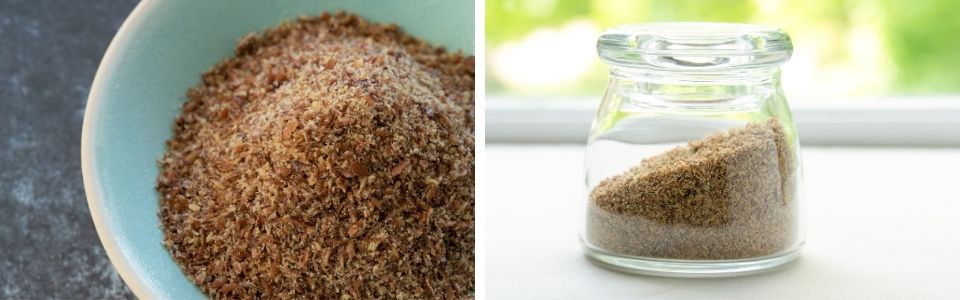
How to Store Ground Flax Seeds
Once ground, flax seeds are a bit more delicate, but storing them properly is simple.
- Use an airtight container
This helps limit exposure to air, which can affect the quality of the healthy fats over time. - Keep them in the refrigerator
The cooler temperature helps slow down oxidation and keeps them fresher for longer. - Grind in small batches
Instead of storing large amounts, it’s better to grind just what you’ll use within a week or two.
A little care goes a long way and once you get into the habit, it becomes just as easy as reaching for any other pantry staple.
Best Way to Consume Flax Seeds
Once your flax seeds are ground, the next question is — how do you actually include them in your meals?
The good thing is, flax seeds are very versatile. You don’t need special recipes or complicated steps. A simple spoonful added to what you’re already eating can go a long way.
Here are some easy ways to include them in your daily routine:
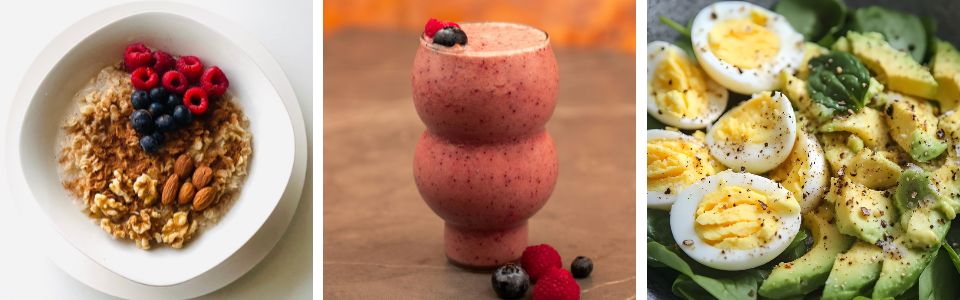
- Stir into oatmeal or porridge
One of the easiest options — just mix it in while your oats are warm. - Blend into smoothies or shakes
Adds a subtle nutty flavour along with fibre and healthy fats. - Mix into pancake or waffle batter
A simple way to boost nutrition without changing the taste too much. - Sprinkle over salad, cereals, or yoghurt
Works well as a topping for a bit of texture and added nutrients. - Bake into muffins, breads, or crackers
Great if you enjoy baking and want to include flax seeds regularly.
Personally, I like to keep things simple and stick to what I already eat.
- A sprinkle of ground flax seeds over sourdough bread with a drizzle of olive oil
- Adding it into my morning oatmeal or overnight oats
- Even mixing a small amount into rice (our staple food) for dinner
These small additions don’t require extra effort, but they make it easier to stay consistent.
Using Flax Seeds as an Egg Substitute
Flax seeds can also be used as a simple egg substitute in baking.
- Mix 1 tablespoon ground flax seeds with 2½ tablespoons water
- Let it sit for a few minutes until it thickens
This works well in recipes like muffins, pancakes, or simple bakes, especially if you’re looking for a plant-based option.
The key is not to overcomplicate it. Find one or two ways that fit naturally into your routine, and stick with them.
How Much Flax Seeds Should You Eat? (And Are There Any Side Effects?)
When it comes to flax seeds, more isn’t always better. A small amount is usually enough to get the benefits.
A general guideline is:
- 1 to 2 tablespoons per day
This amount provides a good balance of fibre and healthy fats without overloading your system.
Start Small and See How Your Body Responds
If you’re new to flax seeds, it’s best to start with a smaller amount — about 1 teaspoon to 1 tablespoon — and gradually increase.
Because flax seeds are high in fibre, adding too much too quickly may cause:
- Bloating
- Gas
- Mild stomach discomfort
Giving your body time to adjust helps avoid this.
Drink Enough Water
This is something many people overlook.
Flax seeds absorb water and expand slightly, especially when ground. Without enough fluids, they may feel heavy on your digestive system.
A simple habit is to:
→ Drink a glass of water when you include flax seeds in your meal
A Quick Note on Sensitivity
Most people tolerate flax seeds well, but as with any food:
- Pay attention to how your body feels
- Adjust the amount if needed
If you have existing digestive conditions or concerns, it’s always a good idea to check what works best for you.
The goal isn’t to get it perfect — just to include flax seeds in a way that feels comfortable and sustainable.
Simple Finds to Make Flax Seeds Easy to Use
Adding flax seeds into your routine doesn’t have to be complicated. With a few basic tools and ingredients, it becomes quick and easy to prepare and enjoy them daily.
Here are a few practical finds that complement the ideas shared in this post.
These aren’t must-haves — just simple helpers to make things more convenient.
🛒 For US Readers
As an Amazon Associate, I earn a small commission from qualifying purchases — at no extra cost to you. It helps keep this blog running, so thank you!
1. Viva Naturals Organic Ground Flaxseed
A convenient option if you prefer not to grind your own. Finely ground and ready to use, perfect for sprinkling into oats, yoghurt, or smoothies.
🛒 Shop on Amazon
2. Anthony’s Organic Whole Flaxseed
A good choice if you prefer to grind flax seeds fresh. Simple, versatile, and easy to use in small batches.
🛒 Find it on Amazon
3. KRUPS Electric Coffee and Spice Grinder
Compact and easy to use for grinding small amounts of flax seeds. A few quick pulses give you a fresh batch in seconds.
🛒 Check this out on Amazon
4. Hamilton Beach Personal Blender
A handy option for blending and grinding slightly larger batches. Great if you also make smoothies or overnight oats regularly.
🛒 View on Amazon
5. Glass Jars with Airtight Lid
Ideal for storing ground flax seeds in the fridge. Glass containers help keep things fresh and avoid lingering odours.
🛒 Grab this on Amazon
🇲🇾 For My Fellow Malaysians
If you’re in Malaysia, you can easily find similar ingredients and tools on Shopee — making it simple to prepare and store flax seeds at home.
1. Whole or Ground Flax Seeds
Choose whole seeds if you prefer grinding fresh, or ground flax seeds for convenience. Both are easy to include in your daily meals.
🛒 Shop flax seeds on Shopee
2. Coffee Grinder or Small Blender
Useful for grinding flax seeds quickly at home. A few pulses are all you need for a fresh batch.
🛒 Browse grinders and blenders on Shopee
3. Glass Airtight Containers
Great for storing ground flax seeds in the fridge and keeping them fresh for longer.
🛒 Shop airtight containers on Shopee
Or if you prefer something even simpler, you can explore the Oatz N More range of muesli mixes and granola clusters — made with oats, nuts, and seeds, prepared in small batches without preservatives or fillers. It’s an easy way to enjoy a mix of wholesome ingredients without extra prep.
You can also read my full Affiliate Disclosure here.
In a Nutshell
If you want to get the most nutrition and digestive perks from flax seeds, grinding them really pays off.
Whole seeds won’t hurt you, but you’ll probably miss out on a lot of the healthy fat and fibre that makes flax so popular. Just grind small batches and store them in the fridge or freezer, and you’ll have a versatile, tasty way to bump up the nutrition in your daily meals.
Time to set free all that goodness hiding inside those flax seeds and add a little crunch and fibre to your meals! Whether you sprinkle them in yoghurt, toss them in salad, or bake them into snacks, you’re giving your body an easy nutrition upgrade.
If you stumble upon your own creative ways to eat flax seeds, share them below — I’d love to check out your ideas!
If you found this helpful, feel free to share it with someone who’s trying to eat healthier — it might help simplify things for them. Click the SHARE button!
Here’s to simple habits and healthier days ahead. 🌿
Flax Seeds FAQs (Popular Questions and Concerns)
Can you eat flax seeds raw?
Yes, flax seeds can be eaten raw, but make sure they are ground to maximize nutrient absorption and avoid them just passing through your system whole.
Can you soak flax seeds instead of grinding?
Soaking whole flax seeds makes them easier to digest, but grinding still does a better job at releasing nutrients. If you enjoy the texture, soaked seeds can give some digestive benefits thanks to the soluble fibre, but you’ll still miss out on some of the omega-3s and lignans locked inside.
How much flaxseed should I eat every day?
A typical serving is about one to two tablespoons of ground flax seeds daily. That’s usually enough to get the benefits without overdoing it. If you’re new to flax, start smaller to see how your body reacts and avoid digestive surprises.
Is it possible to eat too much flaxseed?
It’s always a good idea to enjoy things in moderation. Too much fibre at once can cause bloating or tummy troubles. Also, large amounts of flax seeds could interact with some medications, so check with your doctor if you have concerns.
Is the flavour of flax seeds strong?
Flax seeds have a mild, slightly nutty taste, but when ground and mixed into foods, the flavour is subtle. This makes them perfect for sneaking extra nutrition into family recipes without changing the taste much. If you’re new to flax, start with a small amount and adjust as you get used to it.
More good reads:
- How Healthy is Yoghurt
- Are Cashews Healthy For You
- Does Fat In Food Make You Fat
- Preservatives in Healthy Snacks
Disclosure: This blog post contains affiliate links as part of the Amazon.com Services LLC Associate Programs and other affiliate services. This means that oatznmore.com receives a small commission by linking to amazon.com and other sites at no extra cost to the readers.
Disclaimer: I am not a doctor or medical professional, and this post should not be taken as medical advice. Please do your own research. The material on this blog is provided for informational purposes only. It is general information that may not apply to you as an individual and is not a substitute for your own doctor’s medical care or advice.
This is a clear and well-structured explanation that makes flax seeds easy to understand and apply in daily life. I especially like how you’ve simplified the whole vs. ground discussion highlighting nutrient absorption without overcomplicating it. The practical tips on grinding, storage, and everyday use make it very actionable for beginners. Overall, it strikes a great balance between nutritional insight and real-life usability.
Hi Kavitha,
Thank you so much for your kind and thoughtful comment ???? I’m really glad you found the explanation clear and easy to apply. That was exactly what I was hoping for, especially for readers who are just getting started with flax seeds.
It’s easy for topics like this to get a bit overwhelming, so keeping it simple and practical makes a big difference in actually building the habit day to day.
I’m happy the tips on grinding and storage were useful too. Those small details often get overlooked, but they really do make a difference in getting the most benefits.
Flax seeds have become a regular part of my routine. I usually add them to my oatmeal or smoothies for the fiber and omega-3 boost. I’ve noticed that they really help with digestion and keep me feeling fuller for longer, making them a simple addition for everyday health. Your explanation about grinding flax seeds versus eating them whole was especially helpful; I’ve always wondered if I was missing out on nutrients by not grinding them first.
I’m curious if you’ve discovered any creative ways to keep ground flax seeds fresh for longer without losing their nutritional value. Do you think freezing small batches is just as effective as refrigerating them?
Hi Alysanna,
It’s great to hear how you’re already using flax seeds in your routine. Oatmeal and smoothies are honestly two of the easiest (and most effective) ways to include them. And yes, that boost in fibre really does make a difference for digestion and staying full longer.
I’m glad the grinding explanation helped too. You’re definitely on the right track thinking about nutrient absorption.
On your question about storage, freezing small batches is actually a really good option. It helps slow down oxidation even more than refrigeration, especially if you’ve ground a larger amount at once. What I usually suggest is:
Keep a small portion in the fridge for daily use (about 1–2 weeks’ worth)
Store the rest in the freezer in airtight containers or small portions
That way, you’re always using a fresher batch without worrying about it going rancid.
If you want to keep it simple, even grinding just a few days’ worth at a time works well too.
Thanks for sharing how you’re using them. It’s always helpful for other readers to see real-life habits like this.
This was such a helpful breakdown. I love how you explained the difference between whole and ground flax seeds in a way that actually makes sense for everyday life. The reminder that whole seeds often pass through the body untouched was eye‑opening — it really shows why grinding them makes such a difference.
I also appreciated the practical tips on how to store ground flax seeds and the simple ways to add them into meals. It makes the whole process feel doable instead of overwhelming.
Overall, this is such a great guide for anyone trying to get more nutrition into their routine without overcomplicating things.
Hi Kiersti,
Thank you so much for your thoughtful comment ???? I’m really glad the explanation helped make things clearer and more practical for everyday use.
That point about whole flax seeds passing through the body is one that surprises quite a lot of people, so I’m happy it clicked for you. It’s one of those small changes that can make a real difference without adding any extra effort.
Great to hear the storage tips and simple ways of using them felt doable too. That’s always the goal, to keep things easy enough to actually stick with.
Thanks again for taking the time to share this, it means a lot!