
Updated on March 3, 2026
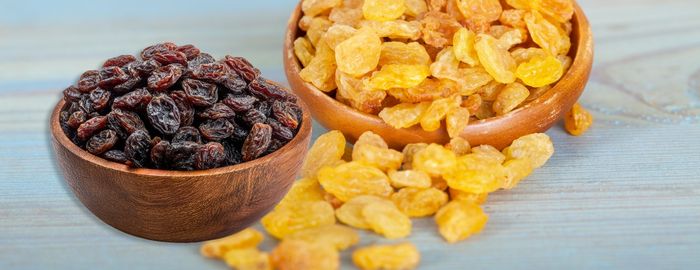
I’ve known Ligo raisins for over 40 years (oops… now you roughly know my age group!). As a child, I used to buy those little boxes either from the school canteen or the small neighbourhood “kedai” run from someone’s house. They were one of my favourite snacks. Fast forward to today, there are so many brands and types of dried grapes available — raisins, sultanas, golden raisins, currants. It can get confusing.
So what is the difference between a raisin and a sultana? Are raisins and sultanas the same? And more importantly, which is healthier?
If you’ve ever wondered about raisin vs sultana, let’s break it down clearly and simply — including their nutrition, health benefits, and how to use them in everyday meals.
Raisin vs Sultana. Their Similarities & Differences
Both raisins and sultanas are dried grapes. That’s the main similarity.
They are:
- Naturally sweet
- Nutrient-dense
- Rich in antioxidants
- Convenient snack options
However, the difference between raisins and sultanas lies mainly in the grape variety and the drying process.
How Raisins Are Made
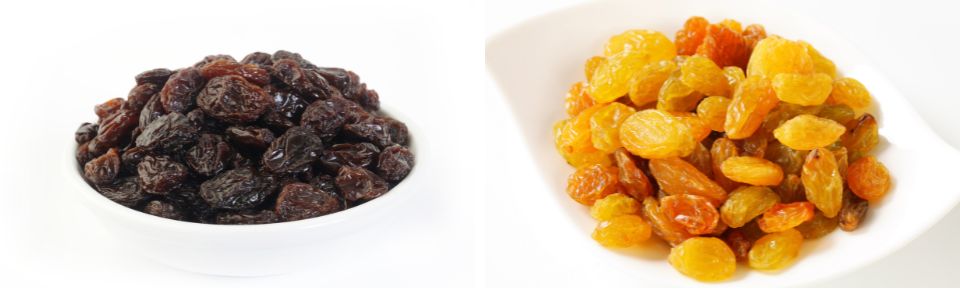
Raisins can be made from various grape varieties. Traditionally, they are dried naturally for about three weeks. During this slow drying process, the grapes darken in colour — which is why raisins are typically deep brown or almost black.
They are firmer and less juicy compared to sultanas.
How Sultanas Are Made
Sultanas are made from seedless green grapes.
They are usually:
- Treated with a vegetable oil solution to speed up drying
- Dried in about one week
- Preserved with sulphur dioxide to maintain their lighter golden colour
Because of the faster drying process, sultanas are:
- Lighter in colour
- Softer
- Plumper
- Slightly sweeter
In the United States, sultanas are commonly called “golden raisins”.
In Malaysia, the terms sultanas and golden raisins are often used interchangeably — which is where confusion begins. Many assume the only difference is colour. I used to think so too!
Just So You Know… What About Currants?
You may have seen currants in baking shops and wondered if they’re the same as raisins. They look similar — just much smaller.
Currants are also dried grapes, but they come from much smaller grape varieties. They tend to have a slightly deeper, tangier flavour and are often a little more expensive.
While they’re not the focus of this raisin vs sultana discussion, it’s helpful to know the difference so you’re not caught off guard when baking.
Raisins vs Sultanas Nutrition: Is There a Difference?
Let’s compare raisins vs sultanas nutrition based on a 28g (1 oz) serving — about one small handful (60 raisins).
| Raisins | Sultanas | |
| Calories | 85 | 85 |
| Total Fats | 0.1g | 0.1g |
| Total Carbohydrates | 22g | 8% DV | 23g | 8% DV |
| Fibre | 1.3g | 5% DV | 0.9g | 3% DV |
| Sugar | 18g | 19g |
| Protein | 0.9g | 2% DV | 0.9g | 2% DV |
| Iron | 3% DV | 2% DV |
| Potassium | 4% DV | 4% DV |
| Copper | 9% DV | 7% DV |
| Phosphorus | 4% DV | 4% DV |
| Riboflavin | 3% DV | 4% DV |
| Vitamin B6 | 4% DV | 4% DV |
As you can see, the differences are minimal.
Both are:
- Good sources of carbohydrates
- Provide fibre
- Contain potassium, copper and phosphorus
- Naturally rich in antioxidants
Because grapes lose water during drying, the nutrients become concentrated. By weight, dried grapes can contain up to four times the fibre, vitamins and minerals of fresh grapes.
Are Raisins and Sultanas Good for You
Yes — in moderation.
Let’s look at the key benefits.
1. Carbohydrates for Energy
Carbohydrates are your body’s main source of energy. They break down into glucose, which fuels your cells.
Some people avoid carbs when trying to lose weight. But removing carbohydrates entirely is not ideal. What matters is choosing better sources.
Raisins and sultanas:
- Provide quick energy
- Are useful before or after workouts
- Make convenient on-the-go snacks
In fact, studies have shown raisins can be a cost-effective carbohydrate source for short-term exercise, comparable to sports gels. (1)
2. Fibre for Constipation & Weight Loss
Fibre:
- Improves digestion
- Helps prevent constipation
- Keeps you feeling fuller for longer
That “full” feeling may help reduce overeating.
If you’re trying to manage your weight, adding a small portion of dried fruit into balanced meals (instead of snacking mindlessly) can help.
3. Antioxidants for Oxidative Stress & Inflammation
Raisins contain phenolic antioxidants.
Antioxidants:
- Neutralise free radicals
- Reduce oxidative stress
- Support overall health
Chronic oxidative stress is linked to inflammation and long-term health conditions. A diet that includes antioxidant-rich foods — like fruits, vegetables, nuts and seeds — supports long-term wellbeing. (1, 2)
This is one reason I often pair dried fruits with nuts and seeds in my homemade mixes. You get fibre, healthy fats, minerals and antioxidants in one bowl.
4. Minerals for Bone Health
Most people think only of calcium for bone health.
But copper and potassium also play supporting roles.
Raisins and sultanas contain:
- Copper — supports connective tissue and bone strength (1)
- Potassium — associated with bone mineral density (2)
They are not miracle foods — but they can contribute to a balanced diet.
Why Can Raisins and Sultanas Be “Bad” for You?
With the good, there’s always something to be mindful of.
Raisins and sultanas may be natural, but they are still concentrated dried fruits. When grapes are dried, the water is removed — yet the sugar and calories remain. This means a small handful can contain far more sugar than you might expect.
And because they’re small and easy to snack on, it’s very easy to eat more than intended. A few turns into a handful, and before you know it, you’ve doubled or tripled a sensible portion.
Although the sugar in raisins and sultanas is naturally occurring (not refined sugar), it can still affect blood sugar levels — especially if eaten on their own or in large amounts. This is particularly important for those managing diabetes or watching their weight.
There’s also the fibre factor. While fibre supports digestion, suddenly increasing your intake — especially from dried fruits — may cause bloating, gas or stomach discomfort. If you’re trying to eat more fibre, increase it gradually and make sure you’re drinking enough water.
So, are raisins and sultanas unhealthy? Not at all. But like many nutrient-dense foods, they’re best enjoyed in moderation and as part of a balanced meal — ideally paired with protein or healthy fats to slow sugar absorption.

How Many Raisins Should You Eat Daily
Following the 5 A Day guideline, you only need 30g of dried fruits daily. This is equivalent to about one heaped tablespoon of raisins or sultanas. Because dried fruits are concentrated, this small portion already provides a similar amount of sugar and nutrients as a larger serving of fresh grapes.
That’s why portion control matters. It’s very easy to overeat dried fruits simply because they’re small and convenient.
This one portion of 30g dried fruits is based on the weight of the fresh fruits. Hence, the nutrients and sugar content are similar. This ensures you do not overeat.
Of course, individual needs vary. If you’re managing blood sugar levels or have specific health concerns, you may need to be more cautious.
Like most foods, raisins and sultanas aren’t “good” or “bad” — it’s how much and how often you eat them that makes the difference.
What is 5 A Day? 5 A Day is any of varied national campaigns in developed countries such as the United States, the United Kingdom, France, and Germany, to encourage the consumption of at least five portions of fruit and vegetables each day, following a recommendation by the World Health Organization.
What to Make with Raisins and Sultanas
One of the best things about raisins and sultanas is how versatile they are. You can use them almost interchangeably — but their texture does make a difference depending on what you’re preparing.
Raisins are firmer and slightly drier, which means they absorb and hold on to flavours beautifully. This makes them ideal for dishes where they’re soaked or cooked in liquid. Think rum fruit cake, biryani rice, couscous, meatballs or even curries. They take in the surrounding flavours and give you that deeper, richer bite. I especially love using raisins when soaking overnight oats — they plump up nicely and become naturally sweet.
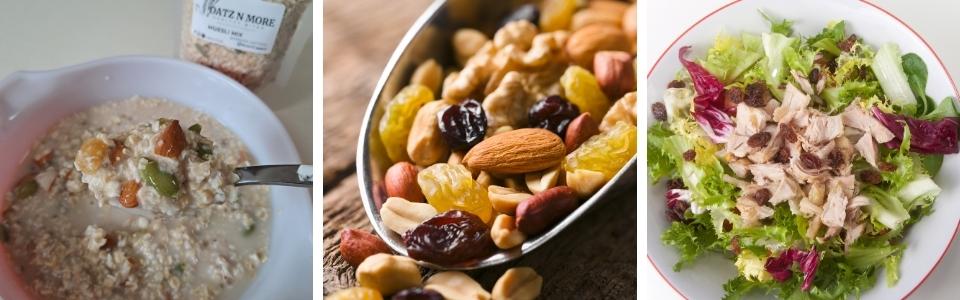
Sultanas, on the other hand, are softer and juicier from the start. Their natural sweetness and plump texture make them perfect for oatmeal, muesli, muffins and scones. They also work wonderfully in salads, especially when paired with slightly bitter greens like rocket or kale. That little pop of sweetness balances everything out.
At Oatz N More, I often use sultanas in my muesli mixes because they add natural sweetness without the need for refined sugar. When combined with oats, nuts and seeds, they create a balanced bowl that’s satisfying and flavourful — not overly sweet.
Of course, there’s no strict rule. If you run out of one, simply substitute the other. Cooking should be flexible, not stressful.
Easy Ways to Add Raisins and Sultanas to Your Diet
Raisins and sultanas are incredibly easy to work into everyday meals.
Stir a spoonful into your morning oatmeal and let them soften slightly in the warmth — they add natural sweetness so you won’t need extra sugar. You can also mix them into homemade granola for little bursts of chewiness in every bite.
For a balanced snack, combine them with nuts and seeds to make your own trail mix. The healthy fats and protein help balance the natural sugars from the dried fruit.
They’re lovely tossed into salads too, especially alongside leafy greens, toasted nuts and a light vinaigrette. That hint of sweetness can completely lift a simple bowl of greens.
If you enjoy savoury dishes, try adding them to rice dishes such as Mediterranean-style rice or couscous. They pair beautifully with warm spices and herbs.
And of course, they’re always welcome in baked goods — breads, muffins and scones. They add texture, subtle sweetness and a satisfying bite.
They may be small ingredients — but they make a surprisingly big difference to flavour and texture.
Simple Finds to Make Using Raisins & Sultanas Easier
Want to make adding raisins and sultanas to your meals simpler and more enjoyable?
Here are some practical, wholesome finds — from quality dried fruits to helpful kitchen tools — that complement the ideas shared in this post.
These aren’t must-haves, just small helpers that make healthy eating easier and more convenient.
🛒 For US Readers
As an Amazon Associate*, I earn a small commission from qualifying purchases — at no extra cost to you. It helps keep this blog running, so thank you!
1. Sun-Maid California Sun-Dried Raisins
A classic pantry staple — naturally sweet and perfect for oatmeal, baking or homemade trail mix.
🛒 Shop on Amazon
2. Yupik Organic Sultana
Soft, plump and lightly sweet — great for salads, rice dishes or baked goods.
🛒 Find it on Amazon
3. Terrasoul Superfoods Organic Raisins
Minimally processed — ideal if you prefer a more natural option.
🛒 Check this out on Amazon
4. CHEFSTORY Airtight Food Storage Containers Set
A set of BPA-free, airtight containers helps keep raisins, sultanas and other dried fruits fresh and ready to use — no hardening, no moisture.
🛒 Find this on Amazon
5. Glass Jar with Bamboo Lid and Spoon
Perfect for keeping your raisins and sultanas fresh, soft and easy to scoop into oatmeal, baking or snacks.
🛒 Grab this on Amazon
🇲🇾 For My Fellow Malaysians
If you’re in Malaysia, you can easily find good-quality raisins, sultanas and kitchen tools on Shopee*.
Look for:
- Natural or unsulphured raisins
- Golden raisins (sultanas)
- Airtight storage jars
🛒 Shop raisins,sultanas & kitchen tools on Shopee.
Or shop directly from the Oatz N More Shop for freshly prepared Granola Clusters and Muesli Mixes — baked to order with no preservatives or fillers, and thoughtfully balanced with quality ingredients.
*You can also read my full Affiliate Disclosure here.
In a Nutshell
So, what is the difference between a raisin and a sultana?
In simple terms, both are dried grapes — but they differ in grape variety, drying method, colour and texture. Raisins are typically darker and firmer, while sultanas are lighter, plumper and slightly sweeter.
When it comes to raisin vs sultana, the nutritional differences are minimal. Both provide fibre, antioxidants and minerals, and both contain natural sugars that should be enjoyed in moderation. Neither is “better” — it really depends on your taste preference and how you plan to use them.
The key takeaway? They can both be part of a balanced, healthy diet — as long as portion size is kept in check.
Now I’m curious — before reading this, did you think raisins and sultanas were the same? Which one do you usually buy or use in your kitchen?
Share your thoughts in the comments below. And if you found this helpful, do pass it along to someone who enjoys learning more about everyday foods. A simple share might clear up the same confusion for them too. Click the SHARE button!
Here are a few articles that may interest you.
- Basil Seeds vs Chia Seeds. Spot the Difference and Pick the Best
- How to Curb Sugar Cravings with Healthy Snacks
- Low-Carb Snacks for Diabetics
- How Healthy is Yoghurt
Thanks for reading.
Disclosure: This blog post contains affiliate links as part of the Amazon.com Services LLC Associate Programs and other affiliate services. This means that oatznmore.com receives a small commission by linking to amazon.com and other sites at no extra cost to the readers.
Medical Disclaimer: I am not a doctor or medical professional, and this post should not be taken as medical advice. Please do your own research. The material on this blog is provided for informational purposes only. It is general information that may not apply to you as an individual and is not a substitute for your own doctor’s medical care or advice.
I like both raisins and sultanas, but I prefer sultanas. Sultanas are sold more expensively in my area and they aren’t always available. Raisins are always offered in stores.They do have a lot of nutrients as I can see in the chart. I didn’t know that they have iron as well, albeit a small percentage, but it’s there 🙂 which gives me more reason to buy them now. It’s good to know how many dried fruits one should eat daily, to avoid overeating them and ingesting too many sugars.I also love the ideas on how to use raisins and sultanas. I recently put them in pancakes and it was a nice combination.
I understand iron deficiency may cause anemia which leaves one feeling tired and short of breath. Hence consuming iron-rich food is important. You may like to check out chia and flax seeds as they contain a good amount of iron.
I grew up in South Africa where we always had raisins and sultanas in the house. As snack food to take to school, my mum always made a mixture of peanuts, raisins and sultanas, which we all loved. It provided us with energy at break time, and being girls, my mum always said the iron is good for us as well. Although I love both of them, I do not like it when it is used in cooking. I think it is the fact that they then go soggy, so the texture changes, that I don’t like. I’d rather eat them dry, or the grapes.
I get you, Line. I don’t like soggy food myself. If used in cooking a rice dish, I will add sultanas after the rice is cooked or before serving. Thanks for commenting and have a good day!